features
Boating as a Recreational Sport: What's Out There on the Water
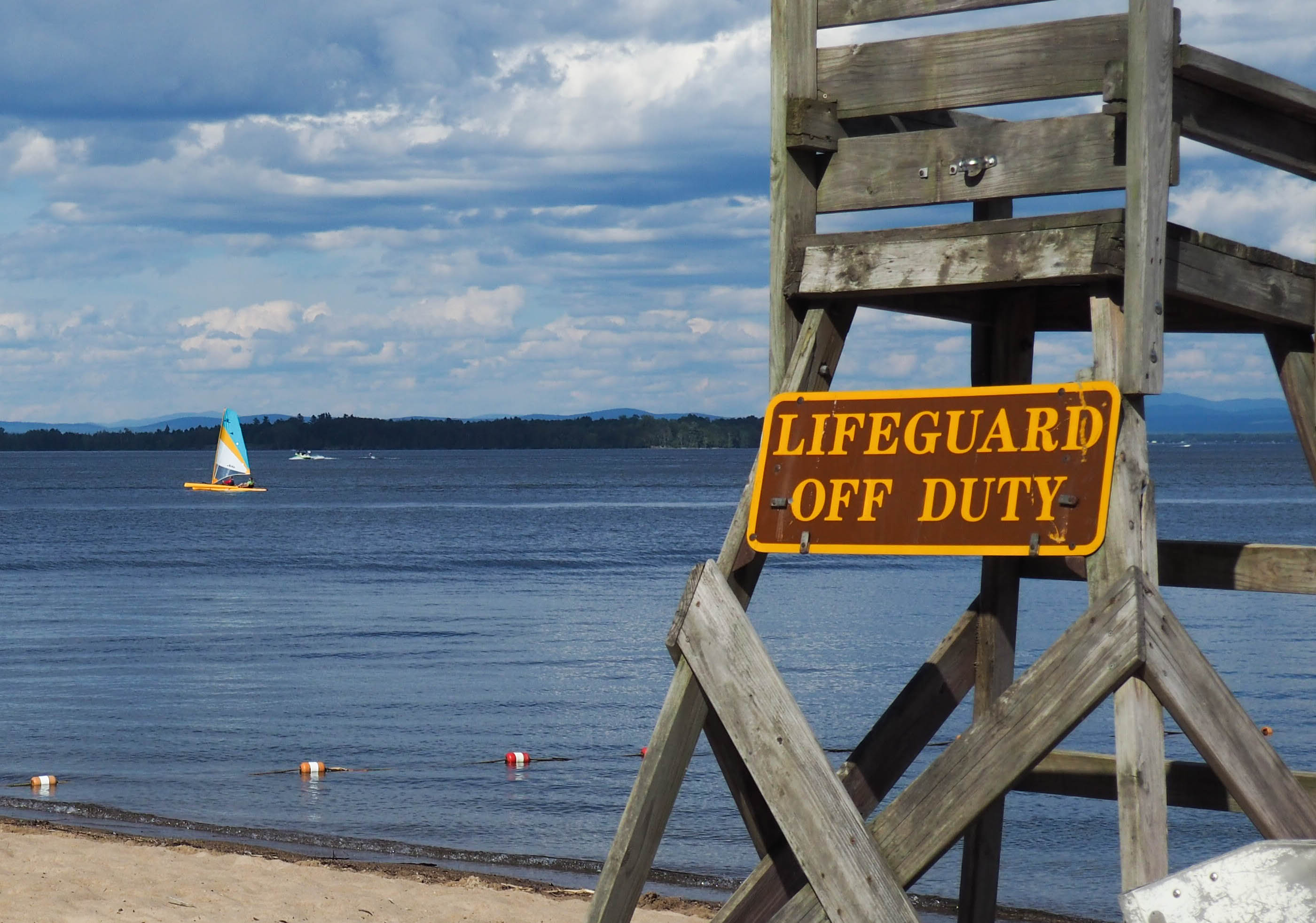
Recreational boating is less a single sport than a family of activities that share a boat. The most athletic branch is tow sports: water skiing, wakeboarding and tubing, where the boat supplies the speed and the participant supplies the balance. Skiing and wakeboarding reward some instruction and practice - most newcomers learn fastest with a qualified instructor or an experienced driver who knows hand signals, speeds and safe pickup - while tubing asks the least technique of the three and is a common family choice.
Fishing is boating's quiet branch. A small boat lets anglers reach drop-offs, weed lines and structure that are out of casting range from shore, and a trolling motor allows slow, precise movement along them. It suits people who want the water without the speed.
Then there is cruising: time on the water as an end in itself, whether that means a slow circuit of a lake at dusk or a day anchored off a beach. For many owners this unhurried use is the main one, and it needs no athletic ambition at all.
Whichever branch appeals, the safety basics are the constant. Maritime safety authorities recommend a properly fitted life jacket for every person aboard - children in particular - and many jurisdictions require boater education before operating a powered vessel; certified courses cover rules of the waterway, weather judgment and emergency handling. Checking local requirements before a first outing is part of the sport, not an optional extra.
Costs vary widely by region and by craft, and ownership is not the only route in: rental fleets, boat clubs and shared arrangements let people try the water before committing. For dry-land alternatives, see our piece on recreational sports for stress relief.